



The Ultimate Guide to Montessori for Bangladeshi Parents

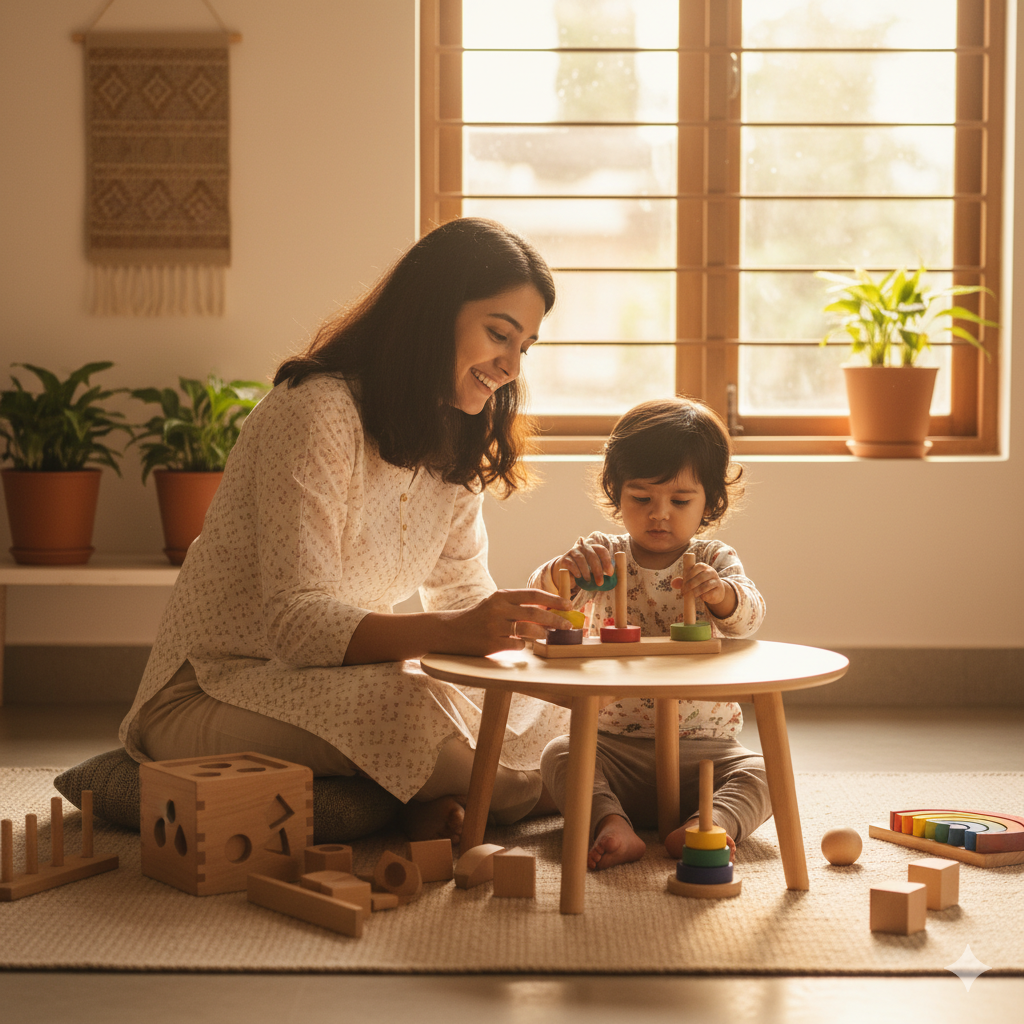
As parents in Bangladesh, we all share a common dream: to see our children grow up to be confident, intelligent, and kind individuals. We are deeply invested in their education, helping with homework and creating a supportive learning environment at home. In a world full of parenting advice, one name stands out for its child-centered, respectful approach: Montessori.
You may have heard this term, perhaps linking it to special schools or expensive wooden toys. But what if we told you that Montessori isn’t about buying fancy things? It’s a mindset. It’s a way to view your child as a capable, curious individual, and you can easily bring this approach into your home, right here in Bangladesh.
This guide is for you. We’ll explain the Montessori method in simple terms and show you how to apply its principles using everyday items and a bit of creativity.
Section 1: What is the Montessori Method?
At its core, the Montessori method, developed by Dr. Maria Montessori, is a philosophy of education based on one simple idea: follow the child. It trusts that children have a natural desire to learn. Our role as parents isn’t to force information on them, but to create a supportive and interesting environment where their curiosity can grow.
Think of yourself as a gardener and your child as a young plant. You can’t force the plant to grow, but you can provide the right soil, water, and sunlight. Similarly, the Montessori approach focuses on preparing the right environment so your child can thrive at their own pace.
Section 2: The Core Principles of Montessori
Montessori is based on a few key principles that are surprisingly simple to understand and apply.
- Independence (“Help me to do it myself”): This is the main request of a Montessori child. The goal is to encourage self-reliance. Instead of doing everything for them, we show them how to do things by themselves. This could be as simple as letting your toddler try to put on their own sandals or clean up a small spill.
- Hands-On Learning: Children learn best by doing, not just by listening. Abstract ideas like numbers or letters become real when they can touch and feel them. This is why Montessori emphasizes learning with physical objects—like counting real mangoes instead of just looking at pictures of them.
- Freedom Within Limits: This is often misunderstood. It doesn’t mean children can do anything they want! It means giving them choices within a safe and structured environment. For example, you might say, “It’s time to get dressed. Would you like to wear the red shirt or the blue shirt?” The limit is that they must get dressed; the freedom is in choosing the shirt.
- The Prepared Environment: This means organizing your home so your child can be more independent. A low stool in the bathroom helps them reach the sink, a small shelf with a few toys they can easily access, or their own small table and chair for snacks and activities are all part of a prepared environment.
Section 3: Benefits of Montessori for Children in Bangladesh
Adopting a Montessori mindset can have deep benefits that align with the values we hold for our children in Bangladesh.
- Develops Strong Learning Habits: In a culture that values academic achievement, Montessori builds a foundation for success. It encourages deep concentration, a love for learning, and self-discipline—skills that are far more valuable than memorization alone.
- Nurtures Creativity and Problem-Solving: Instead of waiting for instructions, a Montessori child learns to think for themselves. They become excellent problem-solvers, whether they are figuring out a puzzle or building a complex structure with blocks.
- Builds Inner Discipline: The authoritative parenting style—balancing warmth with clear rules—is common in Bangladesh. Montessori complements this beautifully by helping children develop discipline from within. They learn to respect their surroundings and others not because they fear punishment, but because they are part of a respectful community.
- Encourages Respect and Empathy: Montessori education emphasizes grace and courtesy. It addresses a gap in parenting discussions by focusing on moral development and building strong, respectful relationships. **
Section 4: How to Apply Montessori at Home (Simple Bangladeshi Examples)
You don’t need a special classroom. Your home is the perfect place to start!
In the Kitchen:
- Little Helpers: Let your toddler help wash vegetables in a bowl of water. Give them a dull knife to practice cutting a soft banana or cucumber.
- Pouring Practice: Give them a small jug and two cups on a tray and let them practice pouring water. Spills are part of the learning!
- Sorting Fun: Use everyday ingredients. Give them a bowl with mixed moshur daal and chola’r daal and let them sort them into two separate bowls. This is great for fine motor skills.
In the Play Area:
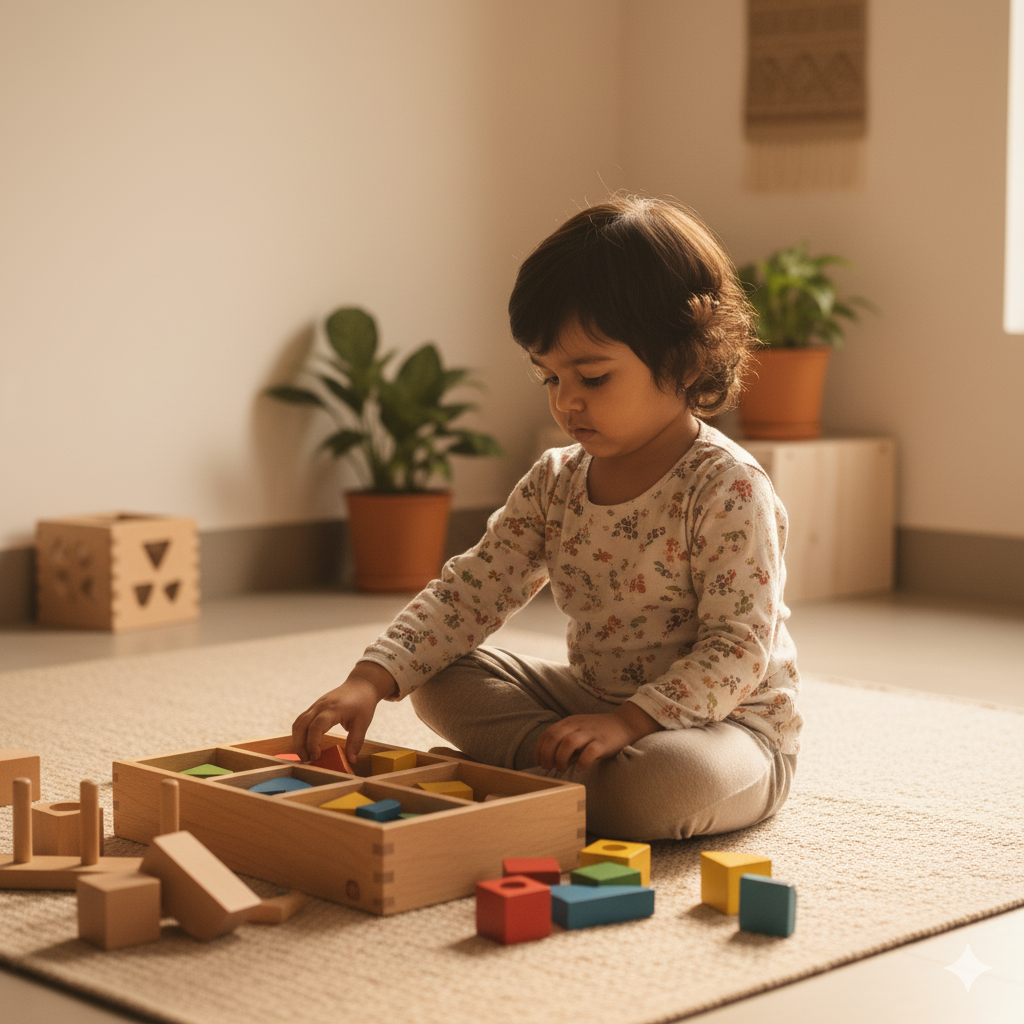
- Less is More: Instead of a large toy box where everything is jumbled, use a low shelf. Place 5-6 toys in separate baskets or trays. This looks inviting and teaches organization.
- Toy Rotation: Every couple of weeks, swap out the toys on the shelf with others you have stored away. The old toys will feel new and exciting again!
- DIY Sensory Bin: Fill a shallow container with rice, dried beans, or even puffed rice. Add some scoops, spoons, and small animal figures for hours of imaginative play.
For Daily Routines:
- Getting Dressed: Lay out two outfits and let your child pick one. Install a low hook or hanger so they can learn to put away their own jacket or school bag.
- Self-Care Station: Place a low, unbreakable mirror in the bathroom with a small brush and a face towel that they can reach on their own.
Section 5: Common Mistakes Parents Make & How to Avoid Them
- Mistake: Too Many Toys Out at Once.
- How to Avoid: It can be overwhelming for a child. Stick to a small, curated selection on a shelf and rotate them regularly.
- Mistake: Intervening Too Quickly.
- How to Avoid: When you see your child struggling with a puzzle or a block tower, pause. Give them the space to try and solve it themselves. This builds resilience and confidence.
- Mistake: Thinking You Need Expensive, “Official” Materials.
- How to Avoid: Remember the principles. Montessori is about how to approach learning, not the specific items. Your kitchen, garden, and everyday household items are your best resources.
Section 6: Recommended Montessori Tools & Toys from HYKIDO
While you don’t need special toys, choosing the right ones can support your child’s development well. A good Montessori-aligned toy is typically made of natural materials, is simple in design, and helps a child master one skill at a time.
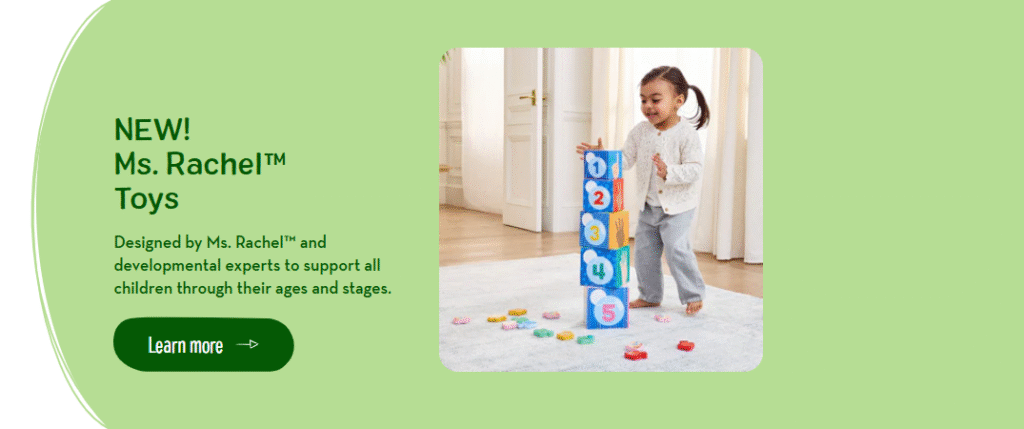
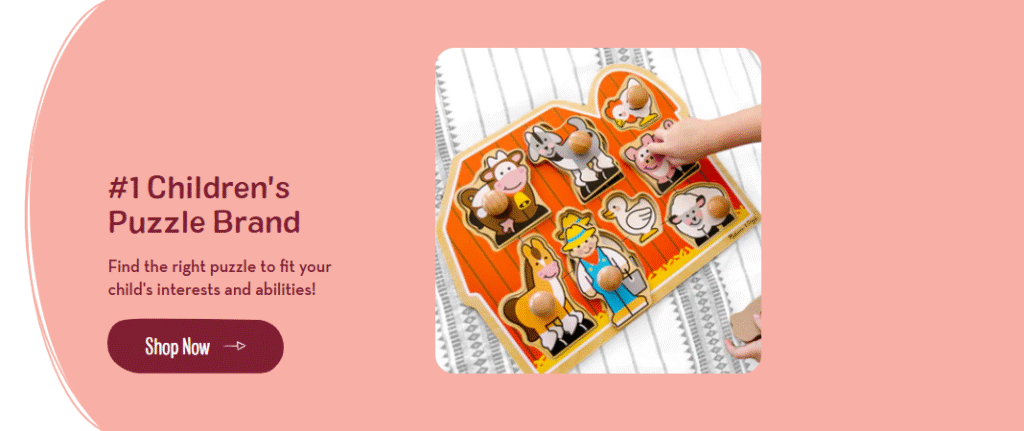
- For Toddlers (1-3 years): Look for toys that develop motor skills and introduce basic concepts. Our HYKIDO Wooden Rainbow Stacker is perfect for learning colors and sizes, while our Knobbed Puzzles help develop the pincer grasp needed for writing later on.
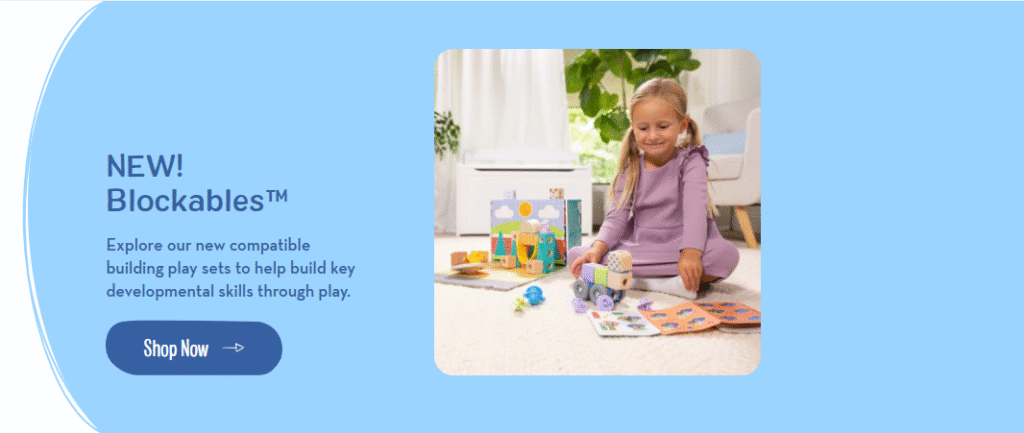
- For Preschoolers (3-6 years): At this age, children are ready for more complex challenges. HYKIDO’s Building Blocks are a classic open-ended toy that encourages endless creativity. Our Junior Engineer STEM Kit is perfect for older preschoolers, introducing them to problem-solving and basic engineering concepts in a fun, hands-on way.
You can find these and other thoughtfully designed educational toys, with delivery across Bangladesh, on HYKIDO.com.
Conclusion: Start Small, Stay Curious
Embracing the Montessori method is a journey, not a race. You don’t have to change everything overnight. Start with one small thing. Maybe it’s letting your child pour their own glass of water or putting a few toys on a shelf.
The most important thing is to observe your child with love and respect. Trust in their natural ability to learn and explore. By doing so, you are not just teaching them—you are empowering them for life.
Frequently Asked Questions (FAQ)
- Is Montessori suitable for the Bangladeshi education system? Absolutely. Montessori focuses on developing skills like concentration, self-discipline, and a love for learning, which are essential for success in any educational system, including mainstream schools in Bangladesh.
- Do I need to buy expensive materials to do Montessori at home? Not at all. The core of Montessori at home is using everyday items to create learning opportunities. Simple things from your kitchen and home are often the best tools for hands-on learning.
- At what age can I start Montessori with my child? You can start from birth! For a newborn, it can be as simple as creating a calm, uncluttered environment and speaking to them respectfully. The principles can be adapted for every age and stage.
- How is Montessori different from regular play? Montessori play is often called a child’s “work.” It is purposeful play that helps a child master a skill or understand a concept. While all play is valuable, Montessori activities are specifically designed to aid in a child’s natural development.